Read your light before you buy.
The number one reason houseplants struggle is the wrong spot, not the wrong watering. Here is how we match plants to rooms.
The hand-shadow test
At midday, hold your hand about a foot above the spot where the plant will live, with a sheet of white paper underneath. A crisp, dark shadow means bright light. A soft shadow with blurry edges means medium light. A faint shadow you can barely see means low light. No shadow at all means the spot needs a grow light.
Window direction matters too. In most of the US, south windows get the strongest, longest sun, west windows get hot afternoon sun, east windows get gentle morning sun and north windows get even, indirect light all day.
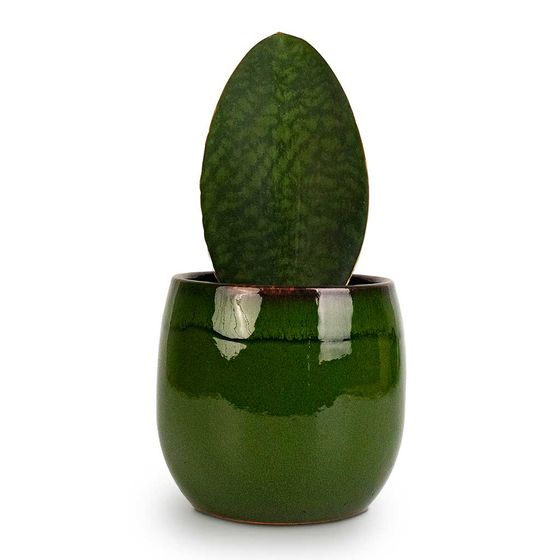
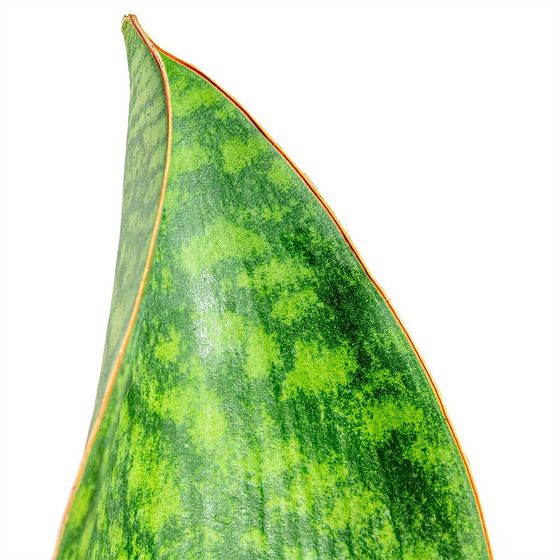
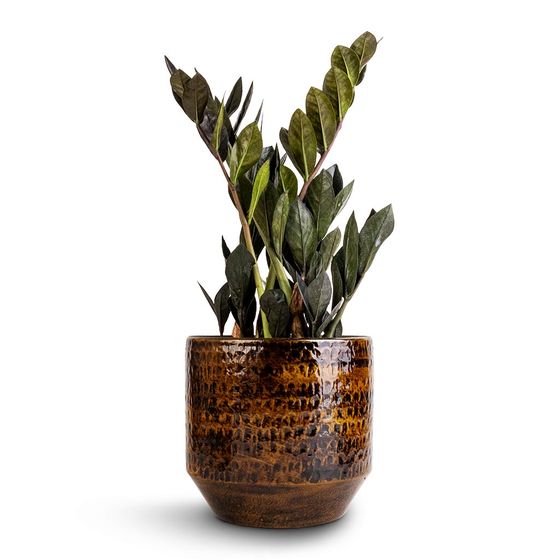
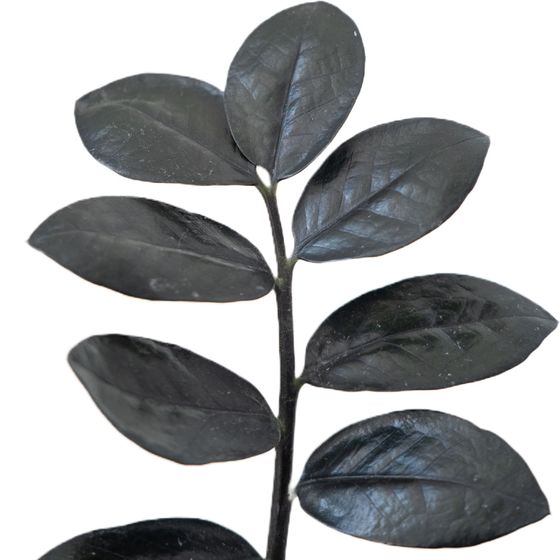
Low light
Where: North-facing windows, rooms lit by a window across the room, offices with overhead light.
If you can read comfortably at noon without a lamp, you have enough light for these. They grow slowly in dim rooms and faster with more light, but they won't sulk.
All 10 low light plants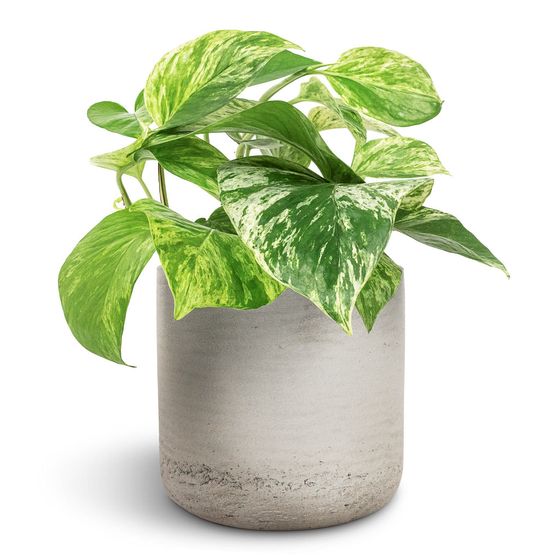
Medium light
Where: East windows with gentle morning sun, west windows with a sheer curtain, a few feet back from a south window.
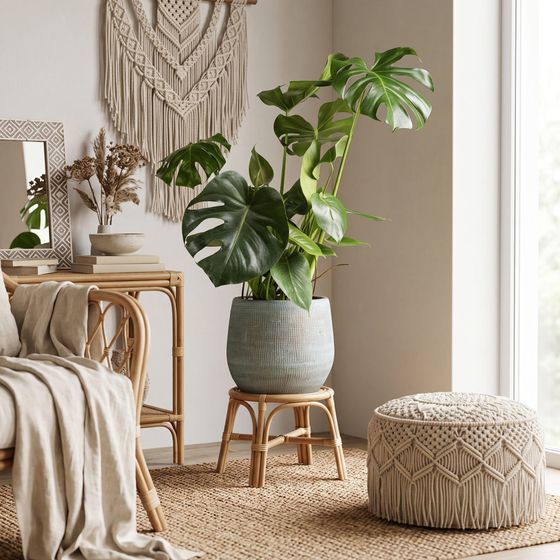
The sweet spot for most tropical foliage. Your hand casts a soft, fuzzy shadow here at midday. Rotate the pot every week or two so the plant grows evenly.
All 19 medium light plants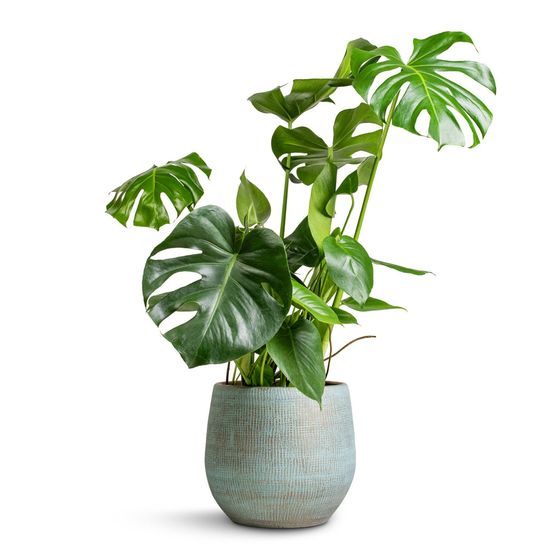
Bright light
Where: Right beside a south or west window, sunrooms, and any spot that gets three or more hours of direct sun.
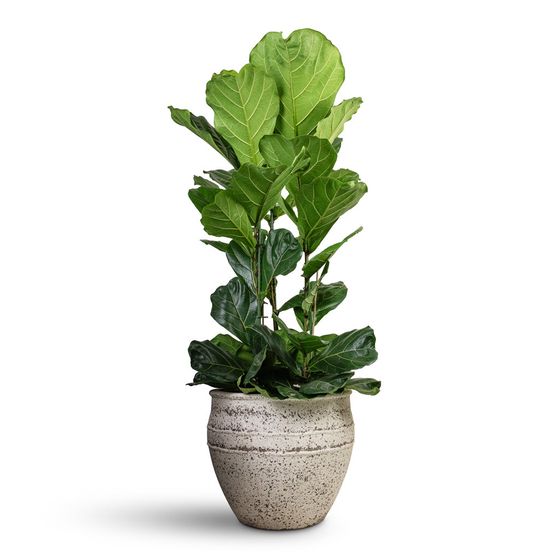
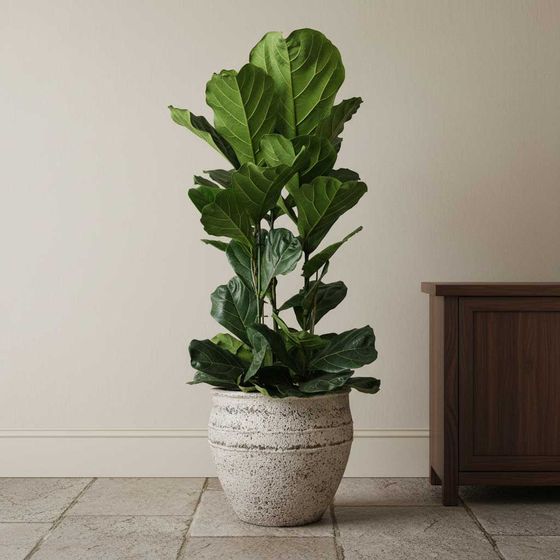
Your hand casts a sharp, dark shadow. Succulents, cacti, fiddle leaf figs and birds of paradise need this much light to hold their shape. In summer, move them back a foot if leaves start to bleach.
All 11 bright light plants